Would the miners’ strike have been illegal under Corbyn’s union laws?

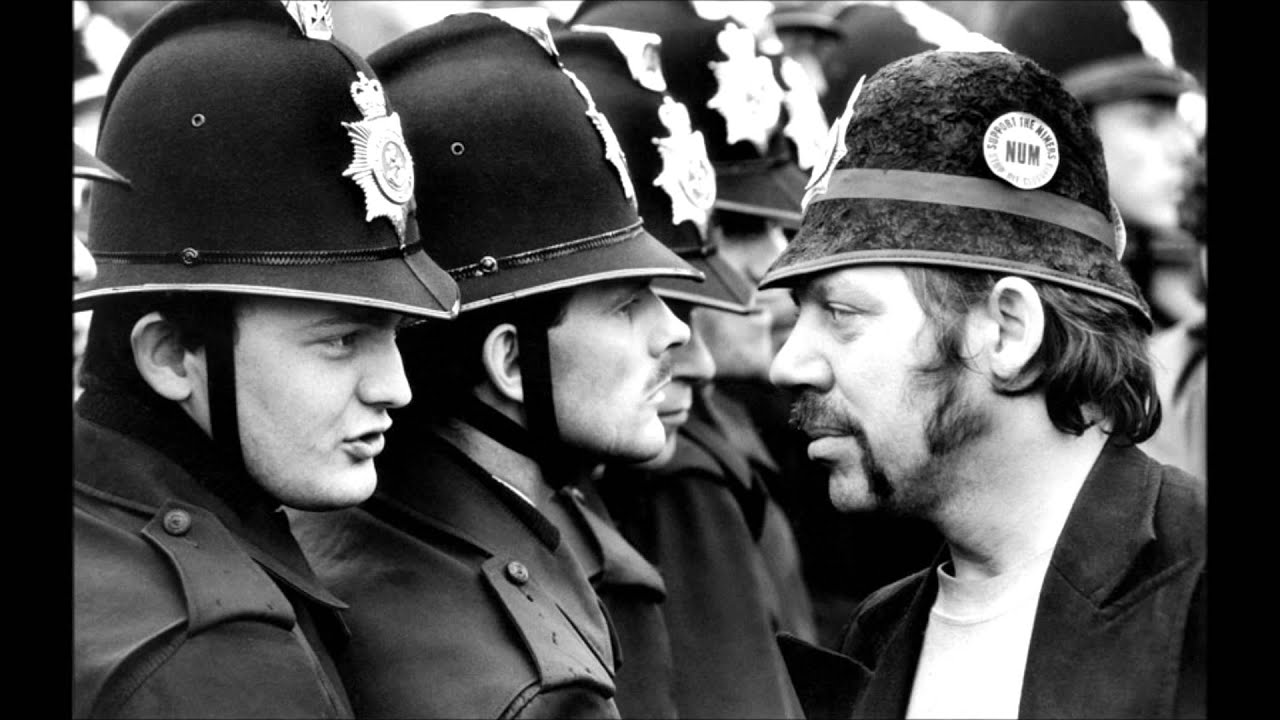
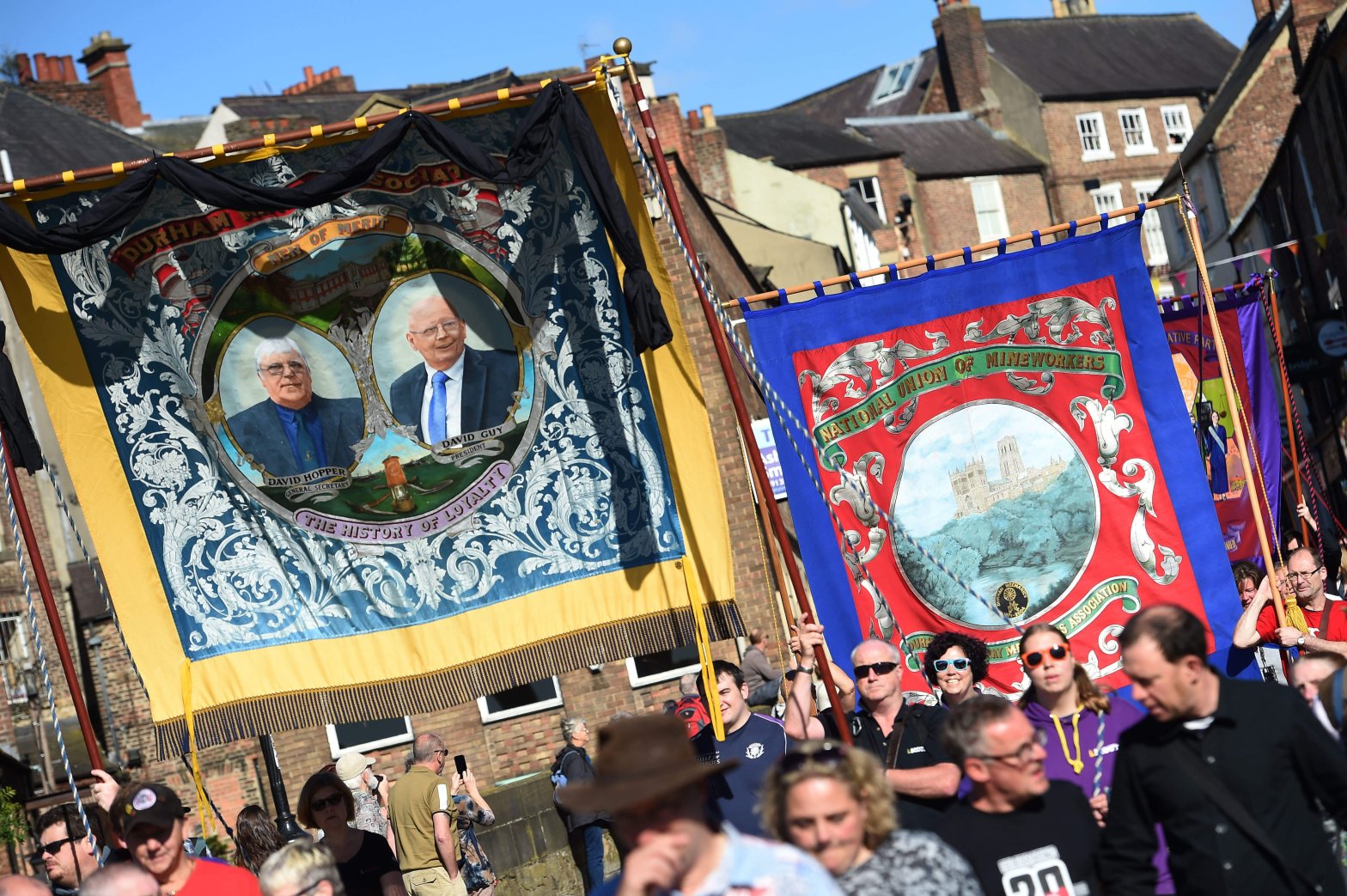
Would the kind of action British miners took in their great strike in 1984-5 remain illegal under a Corbyn government?

What about the struggles of the Great Unrest just before World War One, the 1926 General Strike, the Ford Dagenham women’s strike in 1968, the strikes to free jailed dockers in 1972, the 1976-8 Grunwick strike and the 2005 Gate Gourmet dispute?

Continue reading “Would the miners’ strike have been illegal under Corbyn’s union laws?”

“A Corbyn government must free our unions” – motion to Unite policy conference

The following motion has been submitted to Unite the Union’s policy conference (2-6 July 2018, Brighton).

Continue reading ““A Corbyn government must free our unions” – motion to Unite policy conference”

Matt Wrack and Shen Batmaz on why Labour must repeal all anti-union laws

Two leading labour movement activists, FBU General Secretary Matt Wrack and McStrike organiser Shen Batmaz, spoke to Free Our Unions about why the demand to repeal the anti-union laws is so important.

Continue reading “Matt Wrack and Shen Batmaz on why Labour must repeal all anti-union laws”

Young Labour national policy on repealing the anti-union laws/workers’ rights

The following two motions were passed at Young Labour policy conference in October 2017, building on the policy passed by Labour Party conference in September.

Continue reading “Young Labour national policy on repealing the anti-union laws/workers’ rights”

Six arguments against abolishing all the anti-union laws – Six replies

If we build a strong campaign to repeal the anti-trade union laws, in line with the policy passed unanimously at Labour Party conference last year (and policy passed in 2015 and 2005), we will face all kinds of objections from the press, the Tories, etc, backed up by outrage designed to intimidate people and prevent rational discussion. The danger is that a Corbyn leadership/government will retreat before such outrage – a danger signalled already by the fact the Labour Party is not campaigning for this demand now, despite the conference policy. Here we tackle some of the likely arguments we will face, from the right and indeed in the labour movement too.

Continue reading “Six arguments against abolishing all the anti-union laws – Six replies”

The anti-union laws: acid test for a Corbyn government

“[Since 1980, trade unions have been] regulated, harried, battered, fined and sequestrated, step by step by step, in Act after Act in pursuit of aim of decollectivising the workplace.”

– Labour peer Bill Wedderburn on the last of nine Tory anti-union Acts, 1993
Continue reading “The anti-union laws: acid test for a Corbyn government”

If Jeremy Corbyn wants a mass movement, he must radically revive the unions

By Michael Chessum, orginally published in The New Statesman, 5th January 2018

The world, especially the political world, is a volatile place these days, and one ought to be wary of omens. But when McDonalds announced this week that it would award its employees their biggest pay rise in a decade, you could be forgiven for having a superstitious moment about 2018. McDonalds, of course, won’t admit that the move was a concession to strike action by its workers, but the message could not be clearer. It is possible for even the most exploited workers to beat even the biggest of companies, so long as the action is high profile and militant enough.

Continue reading “If Jeremy Corbyn wants a mass movement, he must radically revive the unions”

Bob Crow and John Hendy on why we must repeal the anti-union laws

In 1998, in their pamphlet Reclaim Our Rights – Repeal the Anti-Union Laws published by the campaign of the same name, Bob Crow (then RMT assistant general secretary) and John Hendy QC wrote:

Continue reading “Bob Crow and John Hendy on why we must repeal the anti-union laws”

Labour votes to scrap all anti-union laws – build a campaign!

By Ruth Cashman, Lambeth Unison joint-Branch Secretary

At the end of September, Labour Party conference voted unanimously for a motion to scrap the anti-trade union laws – not just the 2016 Trade Union Act, but also “anti-union laws introduced in the 1980s and 90s” by the Thatcher and Major Tory governments. “For unions to be effective”, the motion said, “workers need an effective right to strike”. Much of the text, including the bits quoted here, came from the model motion promoted by The Clarion.

This builds on the motion passed – also unanimously – by conference in 2015, which called on the next Labour government to “legislate for strong rights to unionise,win recognition and collective bargaining, strike, picket and take solidarity action”, ie everything that makes trade unionism effective.

After decades of defending the Thatcherite anti-union laws, Labour now has strong policy against them. We must fight to ensure it is carried out, both in the party’s campaigning now and in government.

Despite a long history of fighting the anti-union laws, Corbyn and McDonnell have often recently tended to merge into the Labour establishment line of just “repealing the Trade Union Act”. During the general on campaign, Labour’s election coordinator Andrew Gwynne told the Guardian that the party just wanted to return to the situation that existed in 2015 – and no one contradicted him.

We should follow up on the conference vote with a strong campaign throughout the labour movement. The motion passed at October’s Young Labour conference making the same demands is a good start. We need to take this into every CLP and union branch and use Labour’s new policy as a starting point to put repealing the anti-union laws back on the political agenda. With upcoming battles like the Royal Mail strike, this is urgent.

“Young workers turned up for us – we must turn up for them”

The following speech was delivered by Maria Bagnall, delegate from Charnwood CLP in Leicestershire, at Labour Party conference. The motion she was supporting established clear Labour policy for supporting workers’ struggles, for repeal of all anti-trade union laws and for positive legal rights for workers and their unions.

Continue reading ““Young workers turned up for us – we must turn up for them””